
The Ultimate Master Guide to Chania: Things to Do, See & Experience (2026 Insider Edition)
Welcome to Chania—a region where majestic mountain ranges collide with exotic coastlines, and where 5,000 years of civilization blend seamlessly into a vibrant, modern lifestyle. Located on the western side of Crete, Chania is not just a destination; it is an experience that engages all your senses.
Whether you are here for a few days or planning an extended summer stay, navigating Chania like a seasoned traveler requires more than just a map. This is the absolute definitive, no-nonsense guide to the very best things to do in Chania.
1. The Venetian Harbor & Old Town: Navigating the Living Postcard
The 14th-century Venetian Harbor is Chania’s crown jewel, but most tourists make the mistake of staying only on the main, busy waterfront. To truly experience its magic, you need to understand its layout and dive deeper.
The Historic Quarters
The Old Town is a mosaic of different eras, divided into distinct historical neighborhoods:
-
The Topanas & Jewish Quarters (West Side): This is the most picturesque part of the Old Town. Walk down Theotokopoulou and Kondylaki streets. Look up to see stunning Venetian mansions with Ottoman overhanging wooden balconies (Sahnisi). This area is packed with hidden boutique hotels, local ceramic workshops, and handmade jewelry stores.
-
The Splanzia Quarter (East Side): If you want to escape the heavy tourist crowds, head east toward Splanzia (the old Turkish quarter). The heart of this neighborhood is 1821 Square, dominated by the massive plane tree. Here stands the Church of Agios Nikolaos, a fascinating architectural marvel featuring both a Christian bell tower on one side and an Ottoman minaret on the other. It’s the perfect place to sit for an authentic Greek iced coffee (Freddo Espresso) alongside the locals.
The Iconic Breakwater & Lighthouse
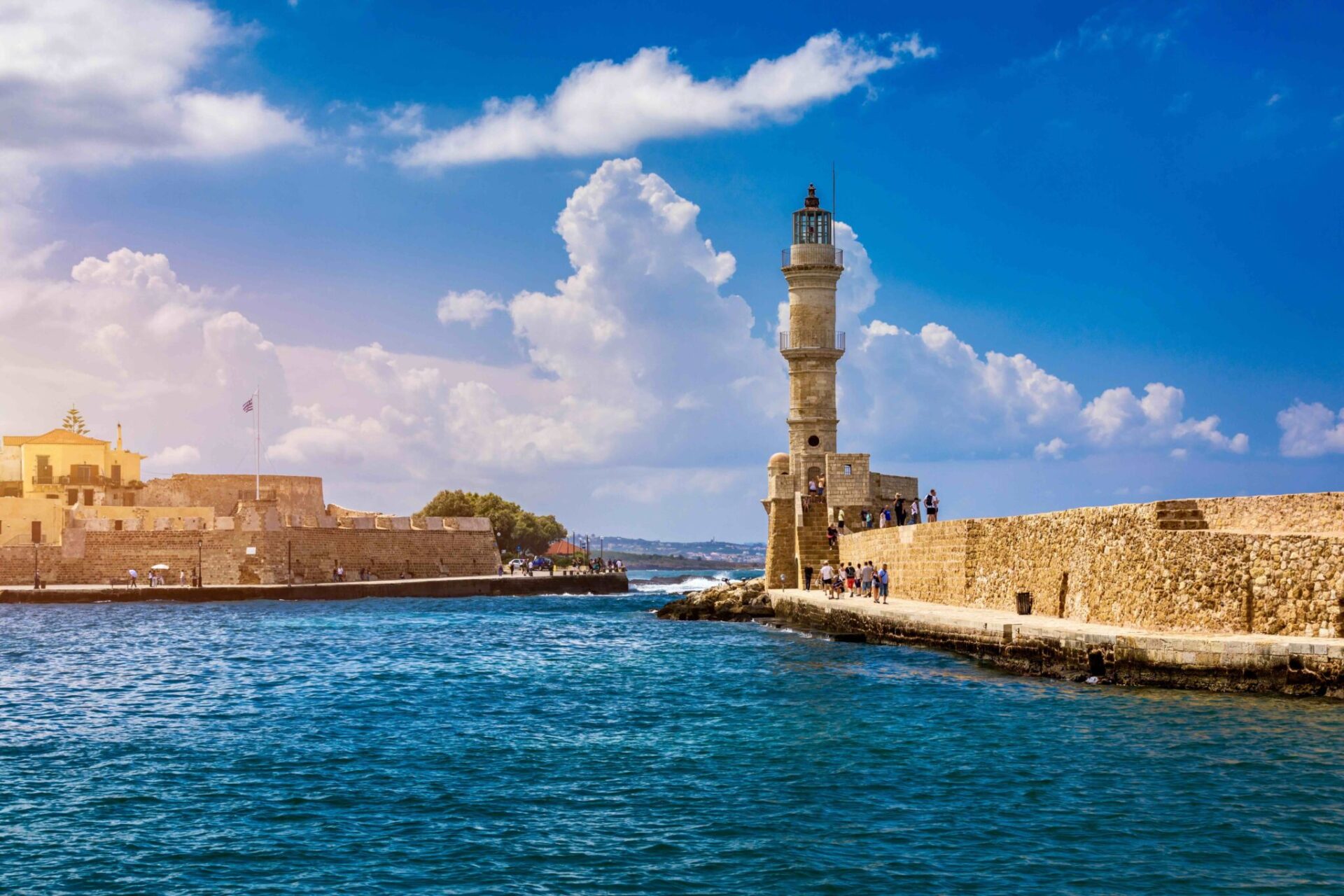
No trip to Chania is complete without walking the massive stone breakwater out to the Egyptian Lighthouse (Faros).
-
Insider Tip: The walk takes about 15–20 minutes each way. Avoid doing this during the scorching midday heat. Instead, make it your dedicated sunset ritual. The view of the sun dipping behind the Rodopou Peninsula while the city lights begin to twinkle across the water is unforgettable.
2. The Legendary “Big Three” Beaches: Paradise Found
Chania home to some of the most spectacular, award-winning beaches in the world. However, getting to them requires a bit of planning. Here is the breakdown of the iconic trio:
Balos Lagoon
An exotic, wild paradise characterized by shallow, warm turquoise waters and blindingly white sand mixed with pink crushed shells.
-
How to get there: You have two options. You can take a daily commercial ferry from the port of Kissamos, which offers a relaxed, scenic cruise. Alternatively, you can drive a rugged, unpaved dirt road along the Gramvousa Peninsula and then hike down a steep cliff for 20 minutes.
-
The Verdict: The drive is bumpy, but the view from the top of the cliff as you hike down is the classic, breathtaking postcard view you see online.
Elafonisi
Famous worldwide for its striking pink coral sand dunes and a shallow lagoon that allows you to wade across to a protected natural islet.
-
How to get there: Located about $75\text{ km}$ ($46\text{ miles}$) southwest of Chania city, the drive takes around 1.5 to 2 hours through winding mountain passes like the Topolia Gorge.
-
Insider Tip: Because of its fame, it gets incredibly crowded by noon. Arrive before 9:30 AM to secure a peaceful spot on the far side of the island dunes, away from the organized sunbeds.
Falassarna
A massive, wide expanse of fine sand facing the open Mediterranean Sea. It features incredibly clear, deep waters and is highly favored by those who love big waves.
-
Why it’s great: It is fully organized with excellent beach clubs, water sports, and beach volleyball, yet it is so massive that you can always find an unorganized, quiet stretch of sand.
-
Bonus: Because it faces directly west, Falassarna offers the most dramatic, unobstructed sea sunset on the entire island.
3. The Cretan Culinary Revolution: Eat Like a Local
Cretan cuisine is distinct from standard Greek food. It is recognized globally as one of the healthiest, most flavor-dense diets on earth, relying entirely on seasonal wild herbs, pure extra virgin olive oil, local goat cheeses, and locally sourced meats.
What to Order (The Checklist)
-
Dakos: The absolute king of Cretan appetizers. A hard barley husk (Paximadi) lightly soaked in water and olive oil, piled high with grated ripe tomatoes, creamy local Mizithra or Staka cheese, and dusted with wild oregano.
-
Kalitsounia & Marathonites: Small, handmade pies. Kalitsounia are stuffed with sweet or savory cheese and mint, while Marathonites are flat pies filled with fresh wild fennel.
-
Gamopilafo (Wedding Rice): Traditionally served at Cretan weddings, this is rice cooked slowly in a rich, velvety broth made from boiling goat and rooster, finished with fresh Stakovoutiro (a rich local clarified goat butter).
-
Tsikoudia (Raki): This clear, grape-distilled spirit is the lifeblood of Cretan hospitality. You will rarely buy it; instead, a cold carafe of Raki will almost always be brought to your table for free alongside dessert at the end of every traditional meal. Accept it with a smile—it is a gesture of welcome!
4. Off-the-Beaten-Path Neighborhoods: Tabakaria & Chalepa
When you want a break from the standard tourist tracks, take a 20-minute walk east along the coast from the harbor into the historic Chalepa district.
The Leather Tanneries (Tabakaria)
During the 19th and early 20th centuries, this rocky, coastal strip was the bustling hub of Chania’s leather tanning industry. Today, the architectural skeletons of these old stone factories stand right on the water’s edge, creating a hauntingly beautiful, industrial-chic landscape.
-
Why go: While some buildings are being carefully restored, the area remains beautifully raw. It is home to a couple of hidden, atmospheric seafood tavernas where you can dine on tables set literally inches away from the crashing waves.
5. The Mighty Samaria Gorge: The Ultimate Trek
For outdoor enthusiasts and hikers, tackling the Samaria Gorge is a true badge of honor. Located inside the National Park of the White Mountains, it is one of the longest and most dramatic gorges in Europe, stretching $16\text{ km}$ ($10\text{ miles}$) from the mountain plains to the Libyan Sea.
The Journey
-
The Route: You begin high up at an altitude of $1,200\text{ meters}$ in Omalos. The trail descends steeply through dense pine and cypress forests, passing through sheer vertical rock walls that shrink to just $3\text{ meters}$ wide at the famous section known as “The Iron Gates.”
-
The Finish Line: The trail ends at the car-free coastal village of Agia Roumeli. After a grueling 5-to-7-hour hike, nothing beats plunging into the deep, refreshing, crystal-clear blue waters of the south coast. From there, you catch a ferry to Chora Sfakion or Sougia, where buses wait to take you back to Chania.
-
Logistics: Sturdy hiking shoes are mandatory. Bring a refillable water bottle—there are abundant natural freshwater springs running throughout the gorge trail.
6. The Akrotiri Peninsula: Views, Canyons & Monasteries
Just a 15-to-30-minute drive northeast of the city center lies the Akrotiri Peninsula, an area rich in spiritual history and dramatic natural topography.
The Venizelos Tombs
Perched high on the hill of Profitis Ilias, this is the resting place of Eleftherios Venizelos, one of Greece’s greatest statesmen.
-
The Draw: Aside from the historical significance, this spot offers a breathtaking, unobstructed panoramic view of the entire bay of Chania and the Venetian Harbor below. It is arguably the most romantic spot in the city for an afternoon coffee or dessert at the nearby cafes.
Seitan Limania (Stefanou Beach)
A viral sensation, this beach is a narrow, zig-zagging canyon of jagged rock that opens up into an electric, neon-blue sea cove.
-
Word of Warning: The drive down involves steep switchbacks, and the actual descent from the parking area to the beach is a rocky, unpaved scramble down a cliffside. Wear sneakers, pack light, and prepare to share the beach with the curious wild Cretan goats that frequent the rocks.
Agia Triada Tsagarolon Monastery
A breathtaking 17th-century monastery featuring striking Byzantine and Renaissance architecture. Surrounded by meticulously kept vineyards and olive groves, the monks here still produce premium organic wines, extra virgin olive oil, and balsamic vinegar. You can tour the beautiful inner courtyards, visit the small museum, and enjoy a tasting session at the cellar shop.
💡 Practical Hacks for a Flawless Chania Vacation
-
Beating the City Parking Nightmare: Driving into Chania’s historic center during the summer can lead to massive traffic delays. Save yourself the stress: park your car for free at one of the Municipality’s massive peripheral parking lots (such as the Kladisos lot on the western entrance) and jump on the free electric shuttle bus (mini-bus) that runs constantly, dropping you right at the edge of the Old Town.
-
The Wind Rules the Beaches: Cretan weather can change. Before driving 1.5 hours to Balos or Falassarna, always check the wind forecast. If there are strong northern winds (Meltemia), the northern and western beaches will have massive waves and flying sand. On those days, head to the sheltered southern beaches instead!
-
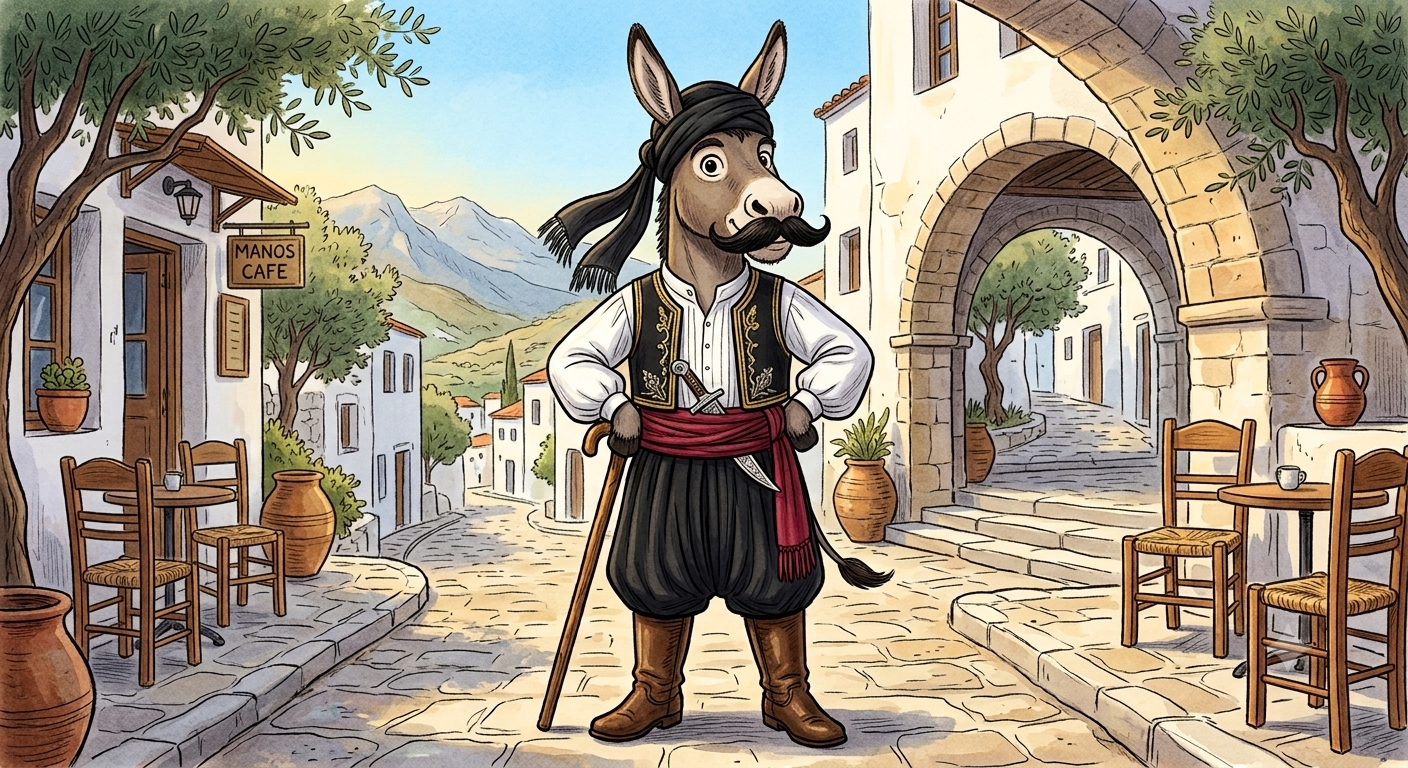
Got Questions? Ask Manos! If you ever need an instant, hyper-local recommendation while exploring our site—whether you’re looking for an emergency parking spot, wondering if the gorge is open today, or seeking out the best local seafood—just open up our chat! Manos, Chania’s very first Digital AI Local Advisor, is live on ChaniaLife.com 24/7 to provide fast, no-nonsense local expertise.
Plan Your Chania Trip in 60 Seconds
Skip the tourist traps. Get instant, unfiltered local advice for exactly what you need.